
2025.12.01
Chemical manipulation of epigenome towards flowering control
Plant Stem Cell Regulation and Floral Patterning ・ Professor ・ Toshiro Ito
The timing of flowering in plants is determined by environmental cues such as temperature and day length. Many plant species flower and set fruit only after experiencing the cold of winter, followed by the warmth of spring, a process called vernalization. In recent years, climate change has increased the likelihood that plants may flower at unusual or inappropriate times, raising concerns about potential impacts on the stable production of food. For these reasons, developing technologies that allow us to regulate the timing of flowering is an important challenge. Our research group has identified, for the first time in the world, a small molecule capable of delaying flowering without the use of genetic modification. We named this compound “Devernalizers (DVRs).” We found that DVRs act by inducing epigenetic changes within the nucleus. This work highlights a new possibility: controlling flowering in plants through chemical regulation of their epigenome.
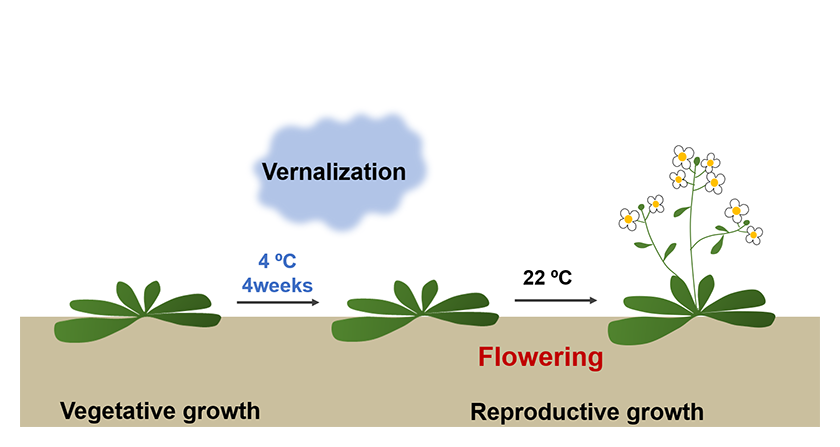
Figure1: Plants need winter cold (vernalization) for flowering in spring
During vernalization, the flowering repressor FLC is epigenetically silenced.
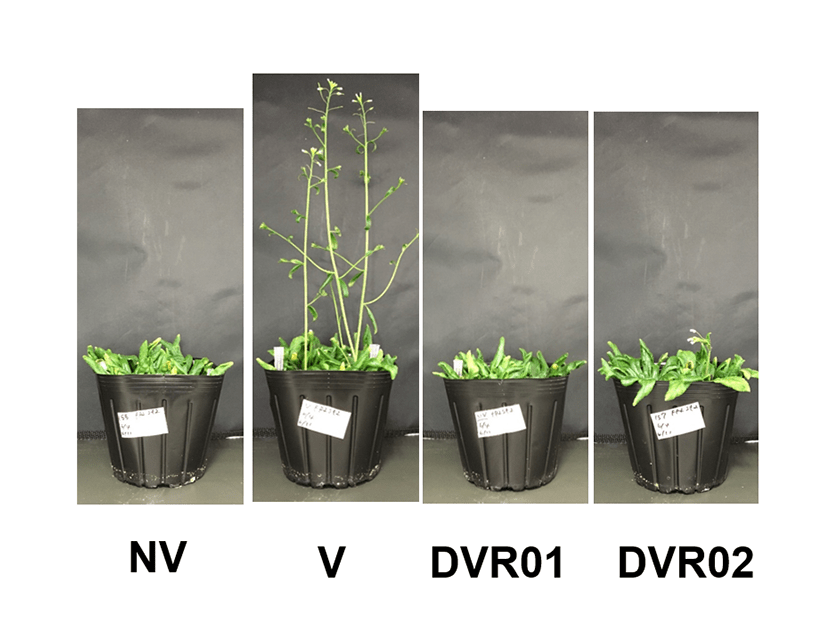
Figure2: DVR01 and DVR02 treatments delay flowering.
NV, non-vernalized plants; V, vernalized plants; DVR01/02, plants were treated with DVR01/02 after vernalization. Photos were taken 49 days after planting.
Toshiro Ito NAIST Edge BIO, e0033. (2025).