
2026.02.02
When Do Plants Grow?
- Long-distance control of root hair elongation by the shoot circadian clock -
Plant Physiology ・ Assistant Professor ・ Akane Kubota
Circadian clocks optimize plant growth by coordinating physiology with daily environmental cycles. While time-of-day–dependent growth control has been well studied in aerial organs, its role in underground tissues remains poorly understood. Here, we show that root hair elongation in Arabidopsis thaliana exhibits a robust circadian rhythm that persists under constant light, indicating regulation by an endogenous clock. Genetic and grafting experiments further demonstrate that this rhythmic growth is controlled by the shoot circadian clock rather than locally in the root.
Using live imaging combined with machine learning–based automated image analysis, we quantitatively characterized root hair growth dynamics and found that circadian regulation affects multiple parameters, including the timing of growth initiation, elongation rate, and growth duration. We also provide evidence that sucrose functions as a long-distance signal conveying temporal information from the shoot to the root.
Together, these results suggest that shoot-derived circadian signals and local regulatory mechanisms in root hair cells are integrated to fine-tune growth dynamics, extending our understanding of circadian growth control to underground organs.
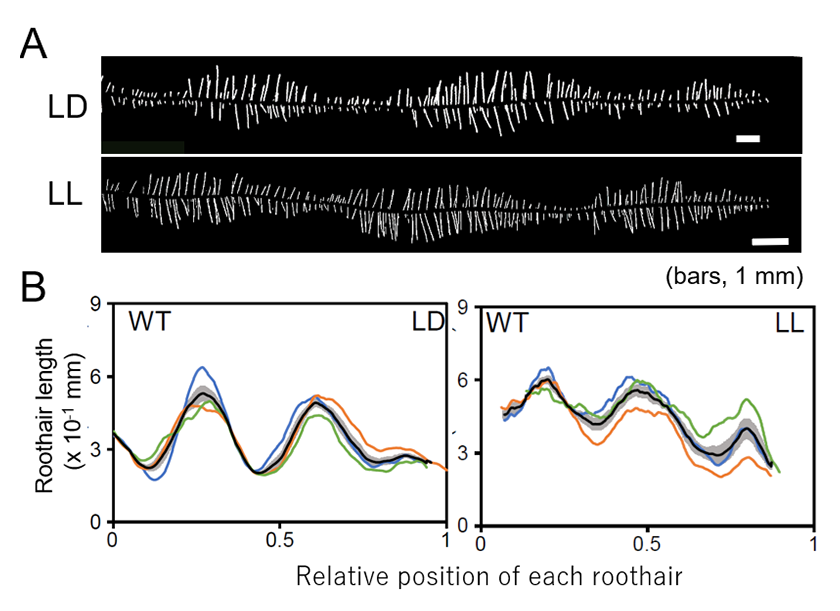
Figure1: Rhythmicity of Arabidopsis roothair length
(A) Binary images of Arabidopsis roothair grown under light/dark (LD) cycles and free-running (LL) conditions. (B) Quantified results of roothair length obtained in (A). x-axis represents relative positions of individual roothair towards the root tip.
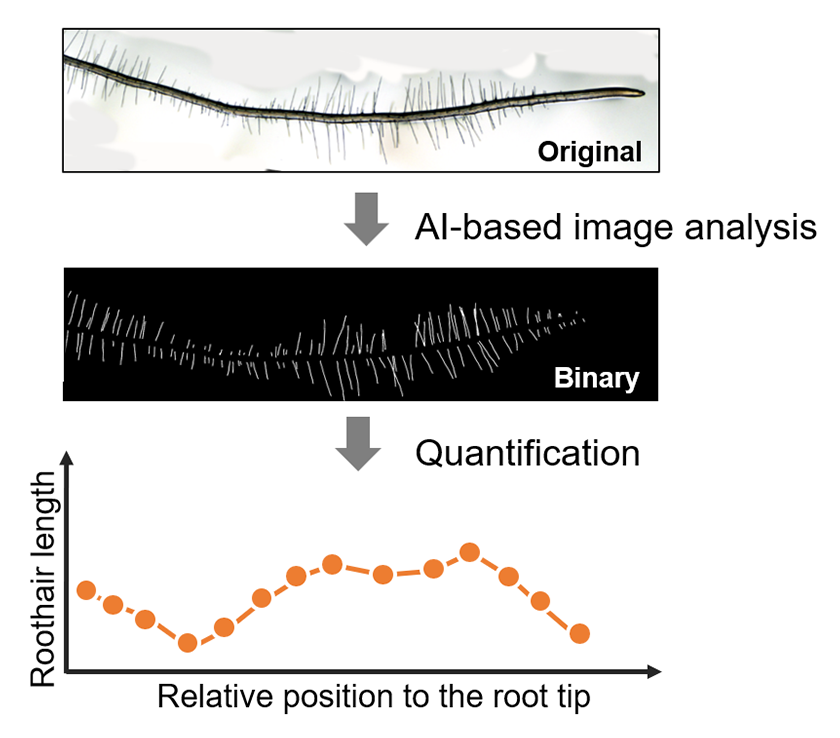
Figure2: Establishment of roothair measurement by machinie-learning methods
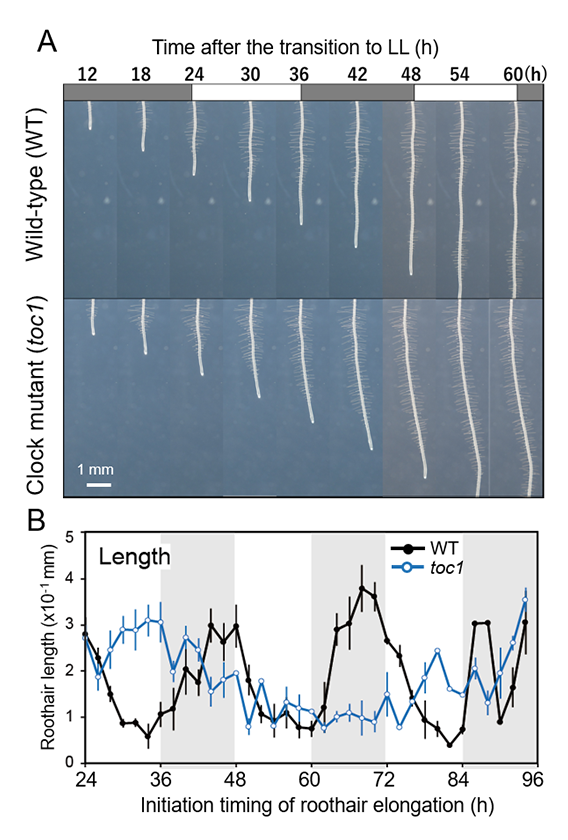
Figure3: Dynamics of roothair elongation captured by time-lapse imaging
(A) Sequential images of wild-type (WT) and clock mutant (toc1) root grown under LL conditions. White and gray bars above pictures represents subjective light and night, respectively. Numbers represents time after the transition from LD to LL conditions. (B) Quantified results of roothair length in (A). X-axis represents the timing when roothair-elongation was initiated. Rhythmicity of roothair elongation observed in WT was disrupted in clock mutant, toc1.
Akane Kubota NAIST Edge BIO, e0034. (2026).