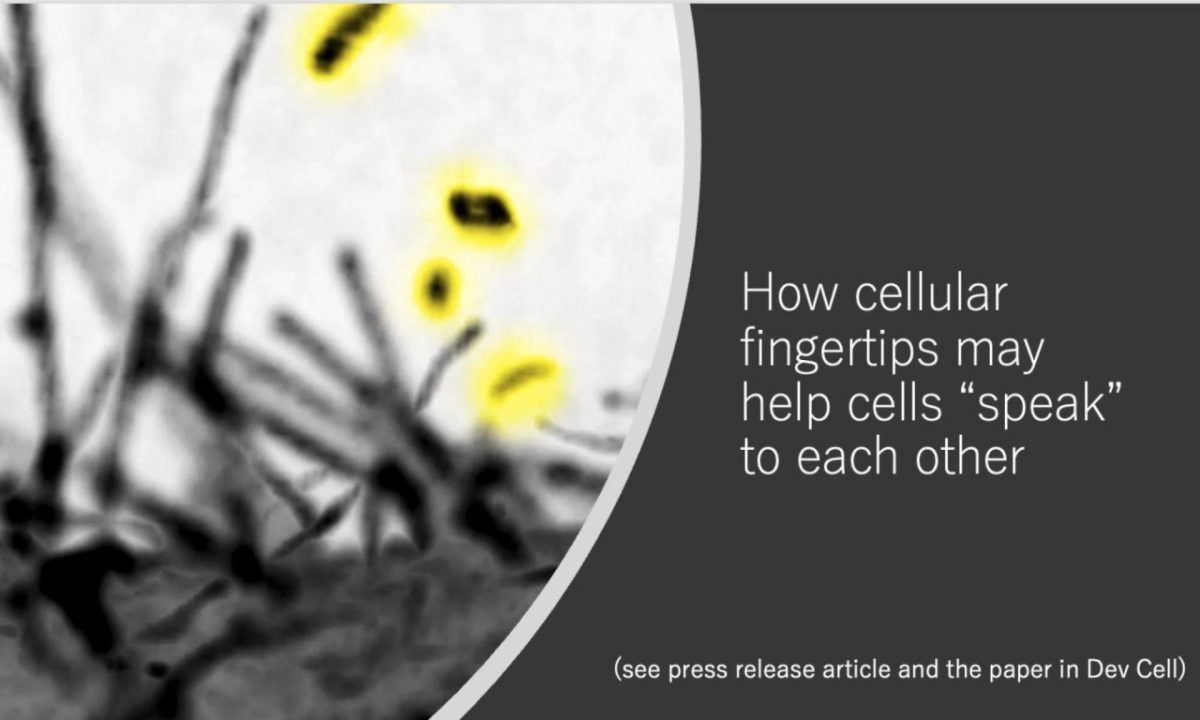

The cell membrane is an essential component that distinguishes the inside from the outside of the cell. Each cell type has a specific shape determined by the plasma membrane. The membrane receives every stimulus to cells, but how it behaves is not well understood. The shape of the plasma membrane is determined by the support of the actin cytoskeleton, of which regulation by WASP, N-WASP, WAVE1, and WAVE2 proteins has been extensively studied. Our lab will focus on the mechanisms connecting the membrane to the cytoskeleton (as described in a seminal Nature Reviews review). Our lab also focuses on membrane-binding proteins that connect the membrane to intracellular signaling for a variety of cellular functions, including proliferation and morphological changes. We examine the roles of membrane lipid composition, including fatty acid saturation and unsaturation, using membrane-binding proteins. These complex cellular processes will also be analyzed using images of molecule localization.
Elucidating cell-shape-dependent intra- and inter-cellular signaling
~ Filopodia and Extracellular Vesicles (EVs) ~
We understood the intracellular signaling cascade by observing molecule-molecule interactions. However, the spatial organization of these signaling cascades had not been studied so well. We established that BAR domain superfamily proteins remodel membrane shape into various curvatures through the discovery of membrane deformation by the I-BAR/IMD domain and the F-BAR/EFC domain, and then dictate the intracellular signaling cascades through liquid-liquid phase separation (LLPS).
The parts of the cells are released and delivered to neighboring cells. These extracellular vesicles (exosomes and ectosomes; our opinion in Nature Reviews and Frontiers) are also regulated by the BAR domain superfamily proteins. In particular, we have found that I-BAR-dependent filopodia can be the source of ectosomes or plasma membrane-derived extracellular vesicles by their scission. These extracellular vesicles can transfer cellular proteins between cells, which can be engineered to deliver the protein of interest, including genome-editing enzymes.
Thus, the important questions are how BAR domain superfamily proteins are regulated and how they assemble downstream molecules, especially for those extracellular vesicles and their cargo loading and release. The role of cellular protrusions in the function of cells in higher animals, including cancer cell metastasis and neurons, is also a target of our study.
Searching for new membrane-binding proteins
Given the importance of membrane lipids as essential components of cells, we suppose there are many lipid-binding molecules that have not been identified. We are searching for novel lipid-binding proteins using a variety of methods.