

Why do we study oran regeneration?
We use organ regeneration as a model system to study outstanding questions in cell and developmental biology such as “How can be somatic cells reprogrammed?” and “How can cells self-organize?”.
Regenerative capacity of plants is a fundamental basis of modern biotechnologies ranging from clonal propagation of elite cultivars to modern breeding via genome editing. Some useful crops remain recalcitrant to regeneration and this is the major bottleneck of biotechnological applications. In order to overcome the recalcitrancy, precise understanding of constraints on regenerative capacity is prerequisite.
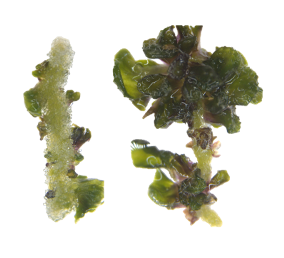
Shoot regeneration in tissue culture
We have identified an Arabidopsis mutant with enhanced shoot regeneration efficiency. Uncovering molecular function of the responsible gene will uncover a novel intrinsic mechanism to restrict regenerative response.
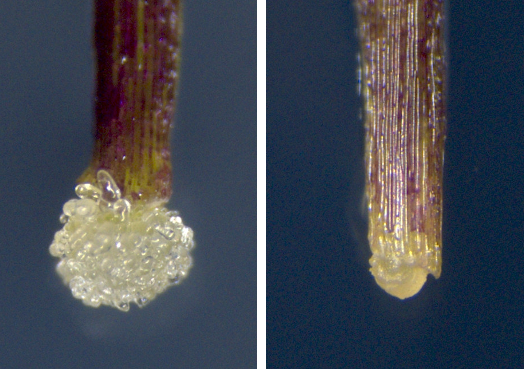
Callus formation at wound sites
Plants produce callus upon tissue injury, yet the molecular mechanism and physiological roles remained elusive. We have identified WOX13 as a key gene regulating callus growth at wound sites. In addition, loss-of-function mutant of that gene is defective in organ reconnection. This study will shed new light on the physiological role of callus (Ikeuchi et al., 2021 Plant Physiol.).
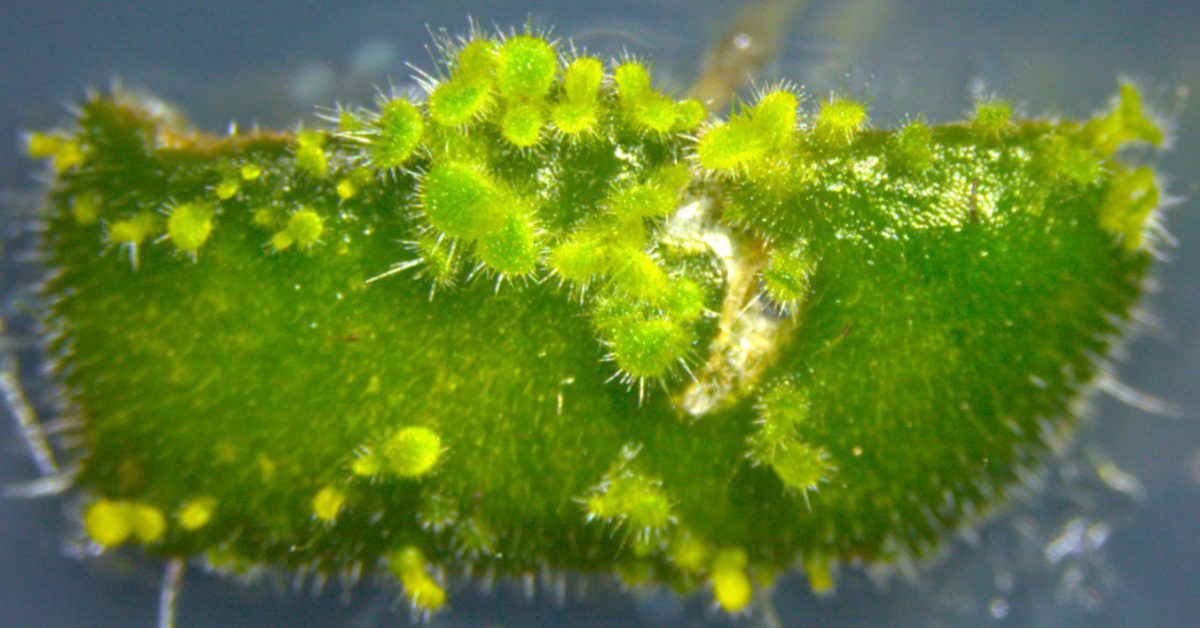
Evo-devo approach in regeneration study
Regenerative response is highly variable among taxa. We are interested in the evolution of gene regulatory network. We would like to explore diverse modes of organ regeneration as well.